Bukchon and Samcheong-dong
Hanok lanes on the slope between the two main palaces. The core alleys have set visiting hours and residents live there, so keep it brief and quiet. Samcheong-dong below is the place to sit down.
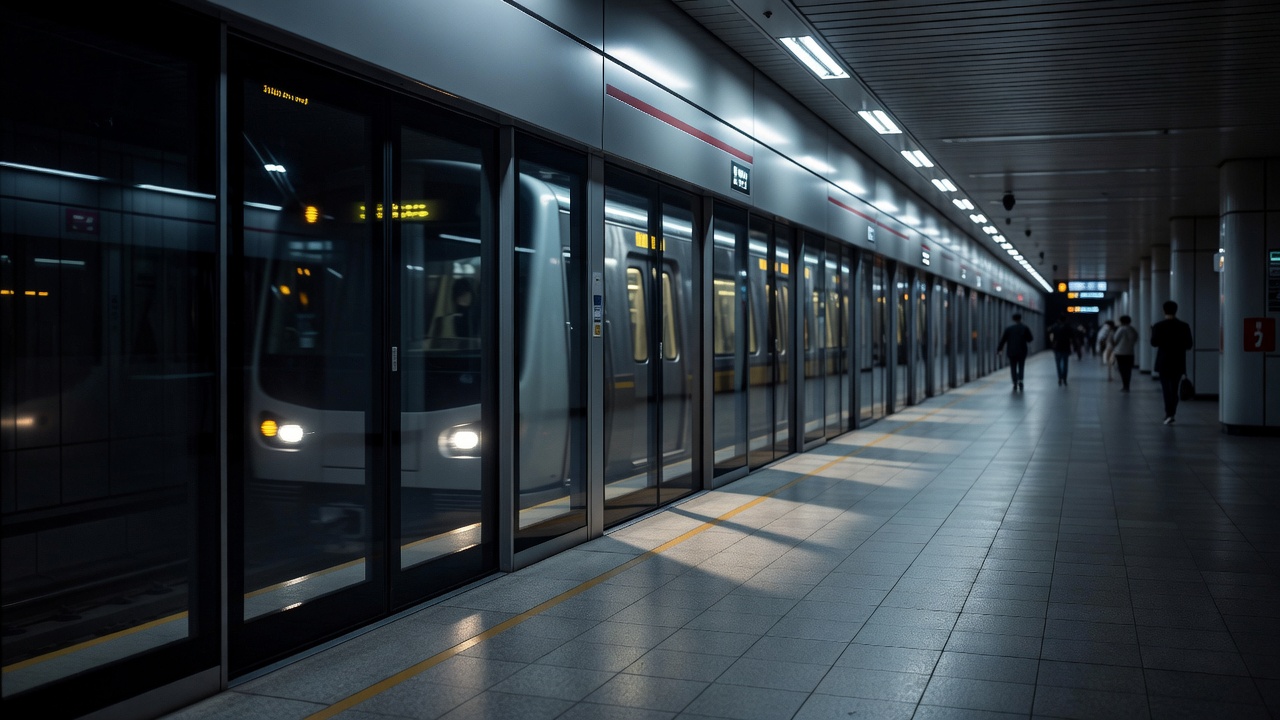
Pick the line first, the neighbourhood second. Most of the city's best blocks sit within five minutes of a numbered exit.
Seoul's network is large enough to intimidate and logical enough to learn in a day. Stations carry a number as well as a name, and every exit is numbered too. Directions from locals almost always come as "Anguk, exit 3", so write them down that way.
From Incheon Airport, the AREX express runs nonstop to Seoul Station in about 43 minutes; the all-stop train takes roughly an hour and connects to Lines 2, 5, 6 and 9 along the way. If you are staying in Jongno or Mapo, the all-stop train is often faster door to door.
Transfers inside the paid area are free. Transfers to a city bus within 30 minutes of tapping out are discounted, so always tap out.
The best first ride in the city. It threads the palace district, crosses the river at Oksu and lands in Apgujeong. Gyeongbokgung to Apgujeong is nine stops, under twenty minutes.
Gyeongbokgung (exit 5) · Anguk (exit 3) · Jongno 3-ga (exit 4) · Chungmuro · ApgujeongA circle line that ties the university districts to the warehouse cafés of Seongsu and the towers of Jamsil. Late evening trains are crowded with students.
Hongik Univ. · City Hall · Euljiro 3-ga · Seongsu · JamsilMyeong-dong for street food and the walk up Namsan; Hyehwa for small theatres and the Naksan fortress wall at sunset.
Seoul Station · Myeong-dong · Dongdaemun History & Culture Park · HyehwaMangwon market, the river park below it and Itaewon's hillside lanes, without the Hongdae weekend crush.
Mangwon · Hapjeong · Itaewon · HangangjinThe original 1974 line. Use it for Gwangjang Market and, further south, Suwon's fortress.
Jongno 5-ga · Dongdaemun · Seoul Station · SuwonEach of these takes three to four hours on foot. Pair a daytime district with an evening one on the same line and you avoid backtracking.
Hanok lanes on the slope between the two main palaces. The core alleys have set visiting hours and residents live there, so keep it brief and quiet. Samcheong-dong below is the place to sit down.
The west side of Gyeongbokgung, with Tongin Market's coin lunchbox and small galleries on Jahamun-ro. Less photographed than Bukchon and more lived in.
Print shops and lighting wholesalers by day, rooftop bars and nogari beer alleys by night. Hard to find the doors; that is the point.
Shoe workshops converted into roasteries and pop-up shops. Seoul Forest is a short walk south and makes a good finish.
A covered neighbourhood market with cheap fried chicken and tteokbokki, then a ten-minute walk to the Hangang park for the evening.
Small theatres around Marronnier Park, then the Seoul City Wall trail up to Naksan for one of the best free night views in the city.
Line 3 · Gyeongbokgung → Apgujeong9 stopsunder 20 min
Seoul has five Joseon palaces. Gyeongbokgung is the largest and closes on Tuesdays; Changdeokgung, Changgyeonggung and Jongmyo shrine close on Mondays, Deoksugung on Mondays as well. Plan your Monday around Gyeongbokgung and your Tuesday around Changdeokgung.
Visitors wearing hanbok get free palace entry. Rental shops cluster near Gyeongbokgung station exits 4 and 5. Seasonal night openings at Gyeongbokgung and Changgyeonggung need advance tickets and go fast.
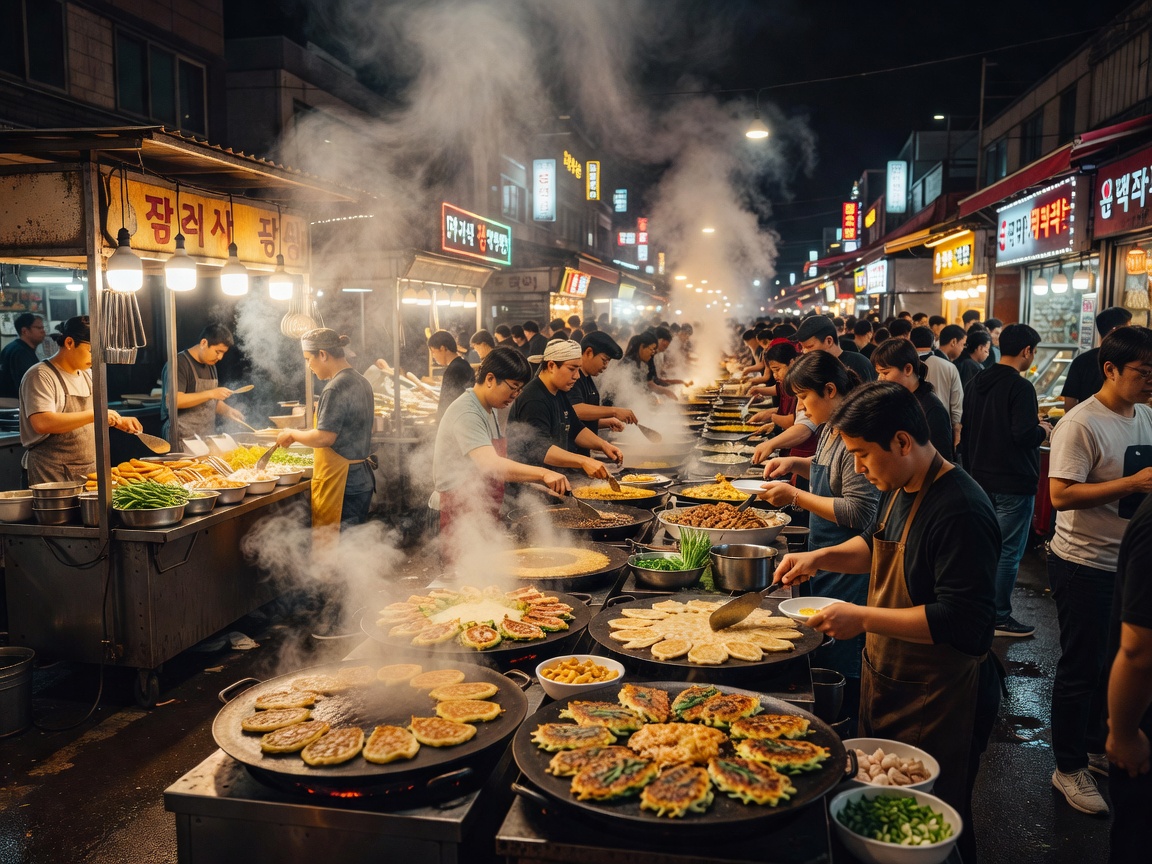
For food, Gwangjang Market is the obvious choice for a reason: bindaetteok fried in front of you, small rolls of mayak gimbap, and raw beef yukhoe. Namdaemun Market works better for lunch, and the Dongdaemun fashion towers keep going long after midnight.
This plan assumes a weekday that is not Tuesday. Walking distances are short; the subway handles the river crossing.
Next: KTX to BusanEnter through Heungnyemun, walk straight to the throne hall, then turn north toward Hyangwonjeong.
Buy brass tokens at the market office and fill a tray from the stalls.
Gahoe-dong lanes, then down into Samcheong-dong for coffee.
Narrow hanok alleys, then a short walk to Jongmyo's outer wall.
One stop on Line 1, or a 15-minute walk along Cheonggyecheon stream.
Back on Line 3 to the south bank, or call it a night.
About cookies We use necessary cookies to run the site and, with your consent, optional ones to measure visits. You can change this at any time. Cookie policy