Seongsan Ilchulbong
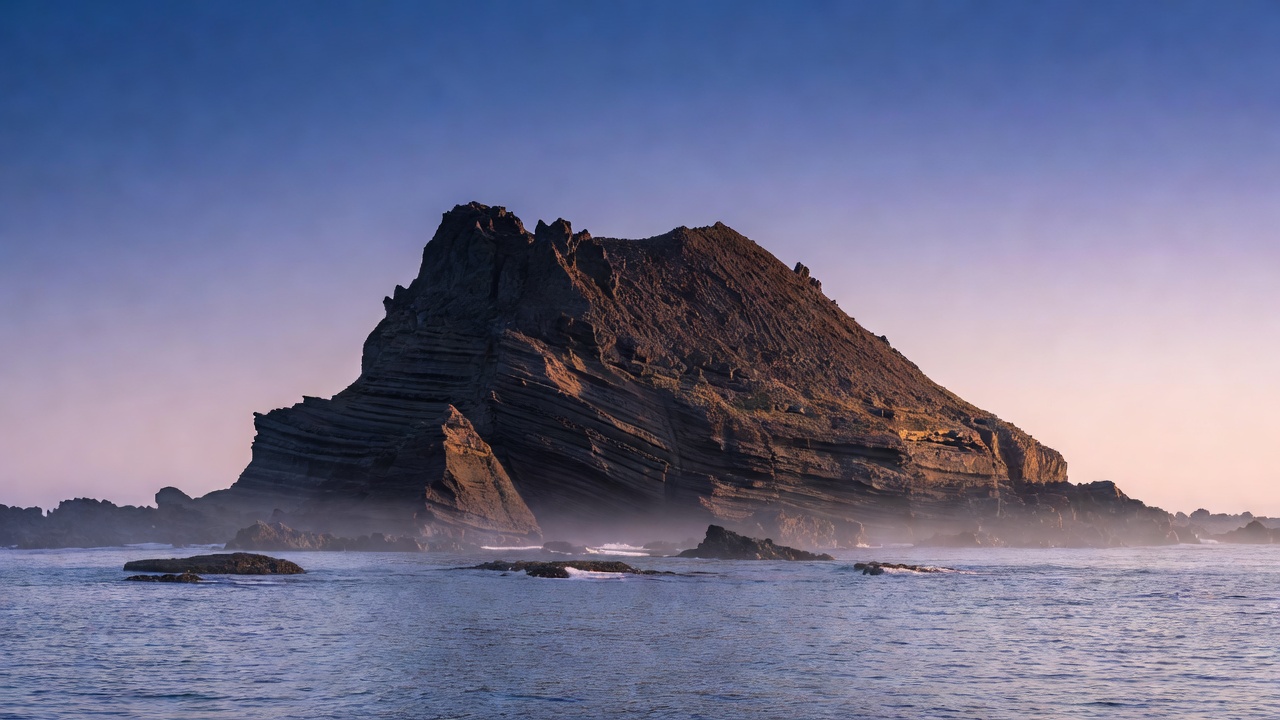
A tuff cone rising from the sea. The climb takes about 25 minutes; come for sunrise in the shoulder seasons, when it falls after 06:00.
The end of the line. No rails on Jeju, so the rules change: buses, trails and a car if you can drive.
Flights from Gimpo take a little over an hour and leave every few minutes through the day. Gimhae in Busan, Cheongju, Gwangju and Daegu all have direct services too. Gimpo is on Seoul subway Lines 5 and 9 and on AREX, so you can be at the gate 40 minutes after leaving Hongdae.
Ferries are the slow option and a good one if you are already in the south-west. Services run from Mokpo, Wando and Yeosu, and car ferries let you bring a rental across. Seas get rough in winter; sailings are cancelled more often than flights.
Jeju City around the eastern shore toward Seongsan and Seogwipo. Slow, scenic, cheap.
Jeju City · Hamdeok · Gimnyeong · SeongsanThe other half of the loop, past Hyeopjae and Moseulpo.
Jeju City · Aewol · Hallim · MoseulpoExpress link from Jeju Airport to the Jungmun resorts and Seogwipo.
Jeju Airport · Jungmun · SeogwipoJeju Volcanic Island and Lava Tubes was inscribed by UNESCO in 2007. Most of what is worth seeing is geology, sea or both.
A tuff cone rising from the sea. The climb takes about 25 minutes; come for sunrise in the shoulder seasons, when it falls after 06:00.
A small island 15 minutes offshore. Rent an electric bike, eat peanut ice cream, look at the white coral-sand beach.
A lava tube of several kilometres, with one section open to walk. It stays cool all year; bring a layer.
South Korea's highest peak at 1,947 m. The Seongpanak and Gwaneumsa summit trails need an online booking; Yeongsil is shorter and does not reach the top.
Waymarked coastal and village walks circling the island. Route 7, along the Seogwipo cliffs, is the usual first choice.
One of the few waterfalls in Asia that drops straight onto the shore. Short stairs down from the ticket office.
Air · Gimpo → Jejudomestic shuttleabout 1 h 5 min
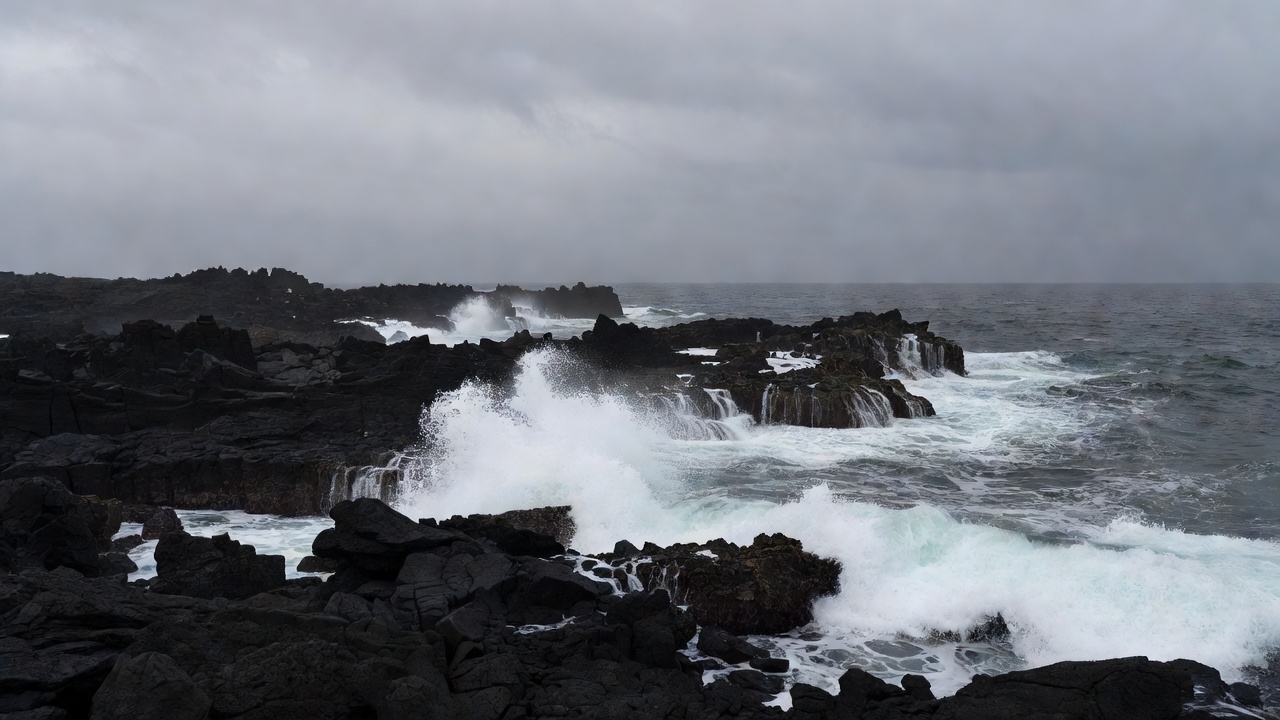
Jeju's haenyeo, women who free-dive for shellfish and seaweed, were added to UNESCO's intangible heritage list in 2016. The Haenyeo Museum in Hado explains the work; a few diver co-ops run seafood shacks by the water.
Look for the low black stone walls around fields and graves, and the dol hareubang, stone grandfather statues, at old village gates. For dinner, Jeju black pork grilled at the table, or galchi, hairtail fish, in Seogwipo's Olle Market.
Yeosu is the easy one: the Jeolla KTX line ends at Yeosu-EXPO station, about three hours from Yongsan. Walk the harbour at night, take the cable car across to Dolsando and eat gat-kimchi, a mustard-leaf kimchi from the area. Suncheon Bay is a short train ride back up the line.
Tongyeong has no train. Intercity buses from Busan's Seobu terminal take about two hours. Ride the Mireuksan cable car for the view over the Hallyeosu waterway, then wander Dongpirang, a hillside of painted walls above the harbour, and Jungang Market for oysters in winter.
Geoje is connected to Busan by the Geoga Bridge and undersea tunnel. Oedo, a privately built botanical island, is reached by tour boat from several Geoje ports.
Base yourself in Jeju City or Seongsan. Download KakaoMap; bus stop names are in Korean and English there.
Stay overnight nearby; the first buses are too late.
Loop the island by e-bike in about three hours.
Seafood ramyeon facing Ilchulbong.
Get off at Gimnyeong for a stretch of Olle route 20.
Then the 201 back to Jeju City.
About cookies We use necessary cookies to run the site and, with your consent, optional ones to measure visits. You can change this at any time. Cookie policy